The Samsung Paradox: How Losing the Phone War Became the Business Model

Summary
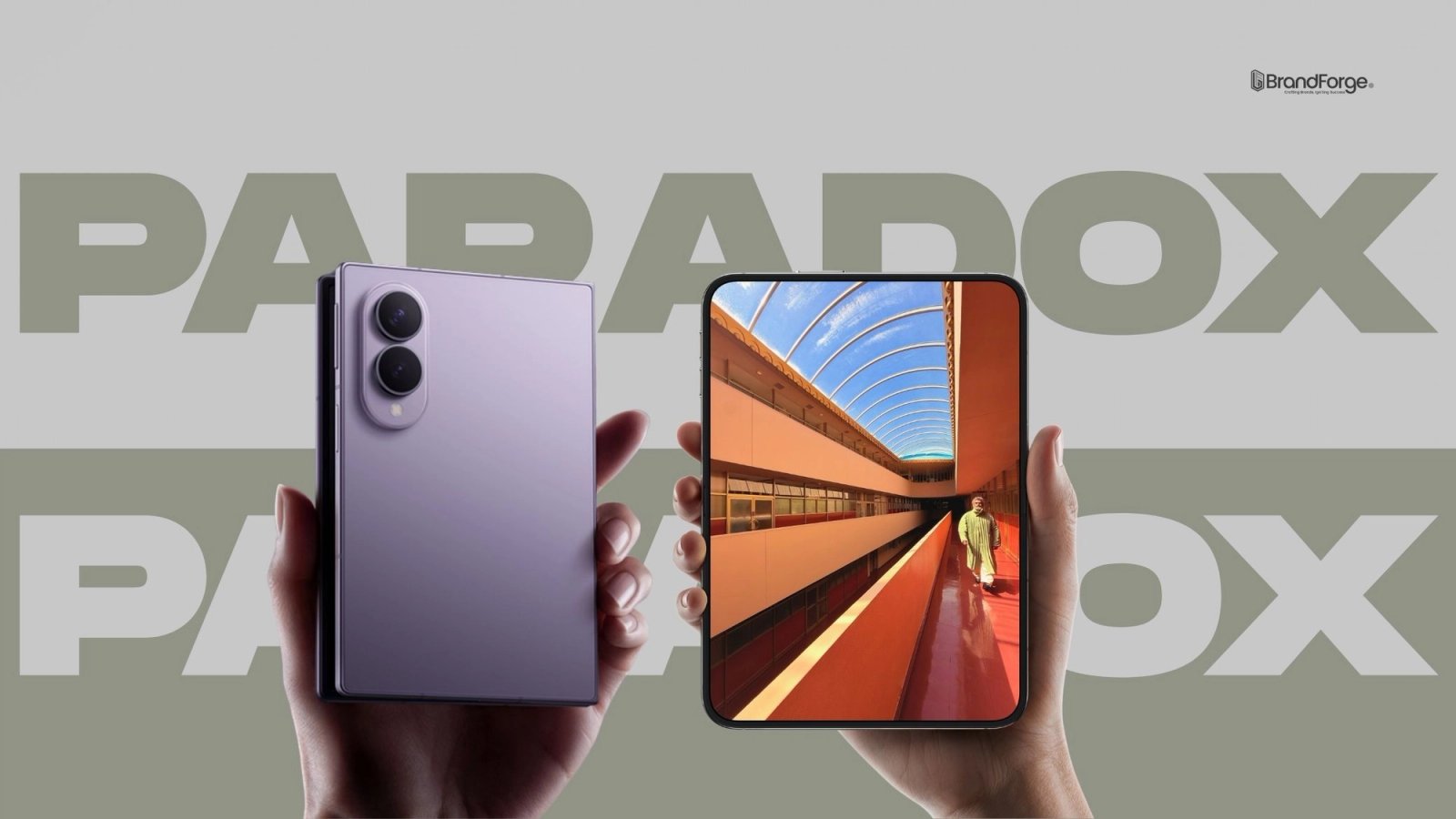
Samsung spent seven years building the foldable phone category, taking every early hit while Apple watched from the sidelines. iPhone Duo just launched running on a Samsung-made screen, and nobody arguing about which company "did it better" seems to have noticed. This is the business logic fanboys on both sides keep missing.
Not quite a long time ago, Apple's John Ternus held up the iPhone Duo on stage, and within the hour my timeline was full of people saying some version of the same thing: Samsung spent seven years on foldables and still couldn't out-execute a company on its first attempt. I saw it framed as a joke, as a gotcha, as proof that hardware experience means nothing next to Apple's design discipline. I even saw someone dig up DJ Koh's old quote from 2019, when the original Galaxy Fold's screen was flickering and bulging in reviewers' hands within days of launch, and use it as the punchline. "It was embarrassing," Koh admitted back then. "I pushed it through before it was ready."
Seven years, and this is what beat you. That was the joke.
Except nobody making that joke seemed to notice whose screen was inside the phone they were mocking Samsung with.
I want to be clear about something before I go further, because this isn't a Samsung fan piece and it isn't an Apple takedown. Both camps are, in their own way, missing the actual game. Apple fans think "we did it better" is the whole story. Samsung fans think "we did it first" is the whole story. Neither group is wrong exactly. They're just answering a question that doesn't determine who wins. The real question is who gets paid, and on that one there's an answer, and it isn't close.

Samsung's Most Embarrassing Product Is Also Its Best Investment
There is something people seem to miss when they argue: that 2019 Galaxy Fold disaster, the one people keep dragging back up as evidence that Samsung "still hasn't figured it out," is a large part of why Apple's folding screen doesn't flicker and bulge in 2026. Samsung ate that humiliation in public so its engineers could go back and figure out exactly where the display stack failed. Every hinge redesign after that, every Z Fold generation that got thinner and more durable, was Samsung running a very expensive, very public R&D program that Apple got to read the results of for free. Well, not free. Apple paid for it, just later, and in the form of a purchase order rather than a research grant.
Samsung Electronics is not a phone company that happens to also make chips and screens. If anything the phones are the marketing department for the parts business. The Galaxy line is the most visible, most argued-about piece of a conglomerate whose real money sits in semiconductors and displays, the divisions that quietly supply the rest of the industry, Samsung's own declared enemies included.
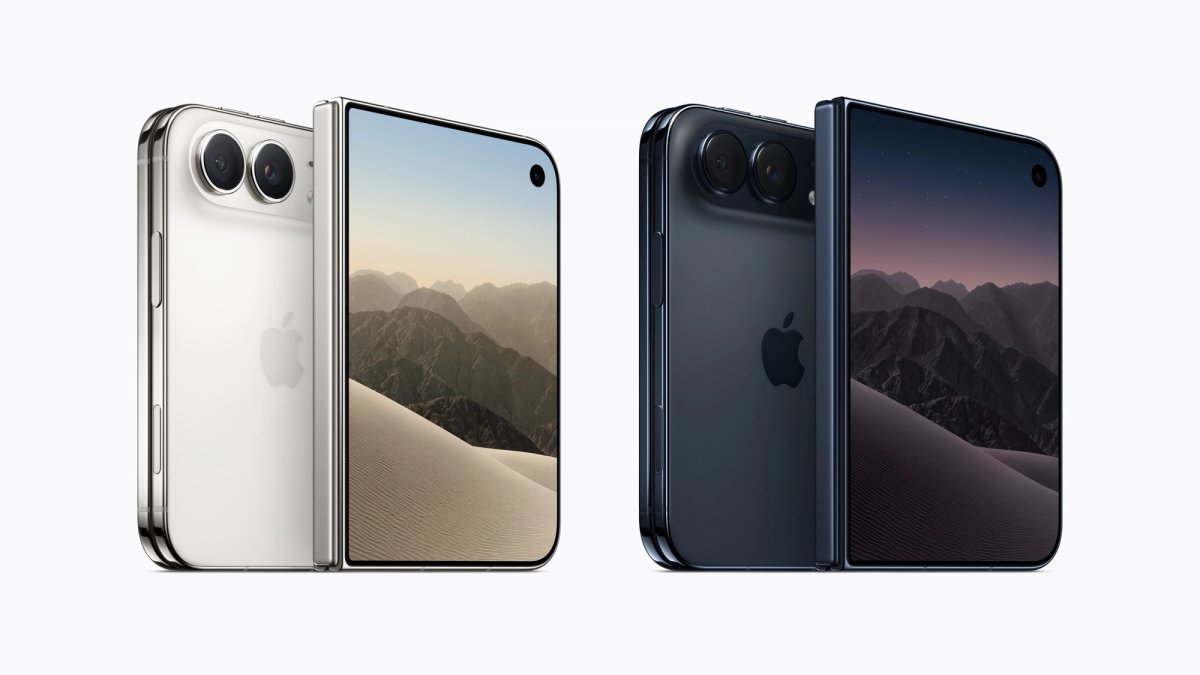
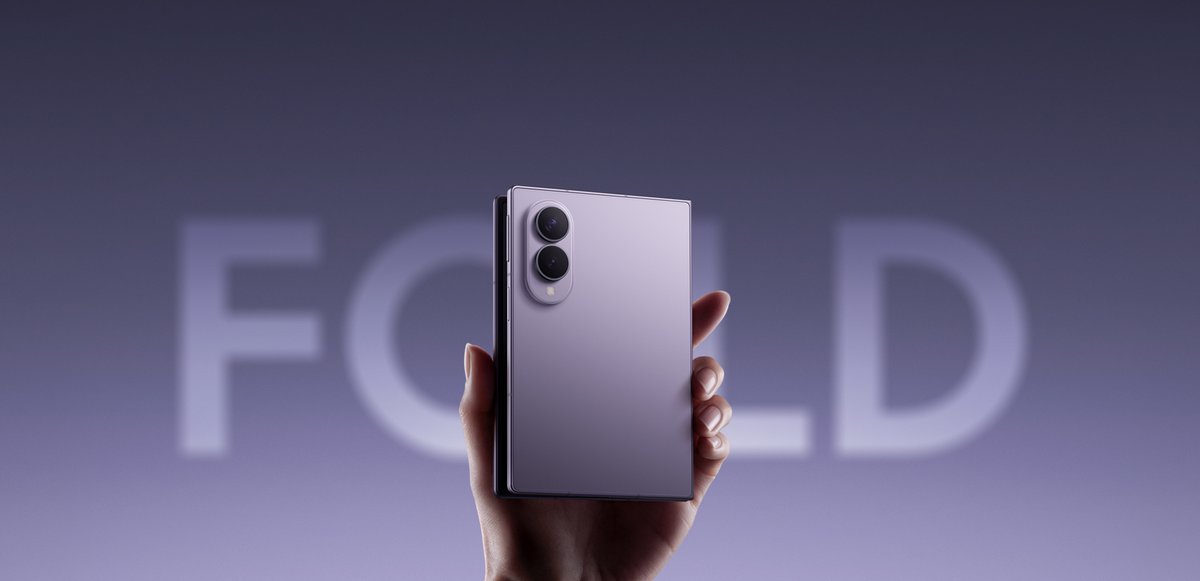
That's the part that makes the iPhone Duo's launch land differently once you actually look at the supply chain instead of the keynote. Supply chain reporting out of Korea, through outlets like ET News and Digitimes, had Samsung Display pegged as the exclusive OLED supplier for Apple's foldable, with initial orders estimated around 10 million panels, on top of tens of millions more panels supplied for the standard iPhone 18 Pro line. Samsung didn't build out a new production line and push toward a dedicated 8.6-generation OLED facility to compete with the iPhone Duo. It built that capacity to make the iPhone Duo.
So when someone tells me Samsung "lost" the foldable race because Apple's version launched with a straighter hinge and fewer complaints, my honest reaction is: sure, and Samsung is going to invoice Apple for that straighter hinge. That's not losing. That's called being the supplier and the competitor at the same time, which sounds like a conflict of interest until you realize it's actually the best seat at the table.
Apple Can't Afford to Be Embarrassed. Samsung Can't Afford Not to Be.
Apple's caution is a constraint, not a virtue. Apple ships a handful of flagship phones a year, and each one is load-bearing for its stock price and its whole "it just works" mythology, so it cannot afford a Galaxy Fold moment. That's why the iPhone Duo didn't show up until the company was confident the crease was close enough to invisible, the hinge was liquid metal instead of a compromise, and the price could be set high enough to make the whole thing feel earned rather than rushed. Waiting until 2026 wasn't Apple being deliberate for deliberation's sake. It was Apple waiting until the embarrassment risk dropped to something it could live with.
Samsung has never operated under that kind of pressure, because Samsung ships dozens of phones a year across a dozen price tiers, and no single one of them can sink the company's reputation the way a bad iPhone launch can sink Apple's. So Samsung throws things at the market that Apple would never risk in public. A tri-fold phone here. An ultra-thin experiment there. Some of it flops, and when it flops Samsung just kills it and moves on to the next Unpacked event, mostly unbothered, because the brand was never staked on any one device the way the iPhone is staked on each release.
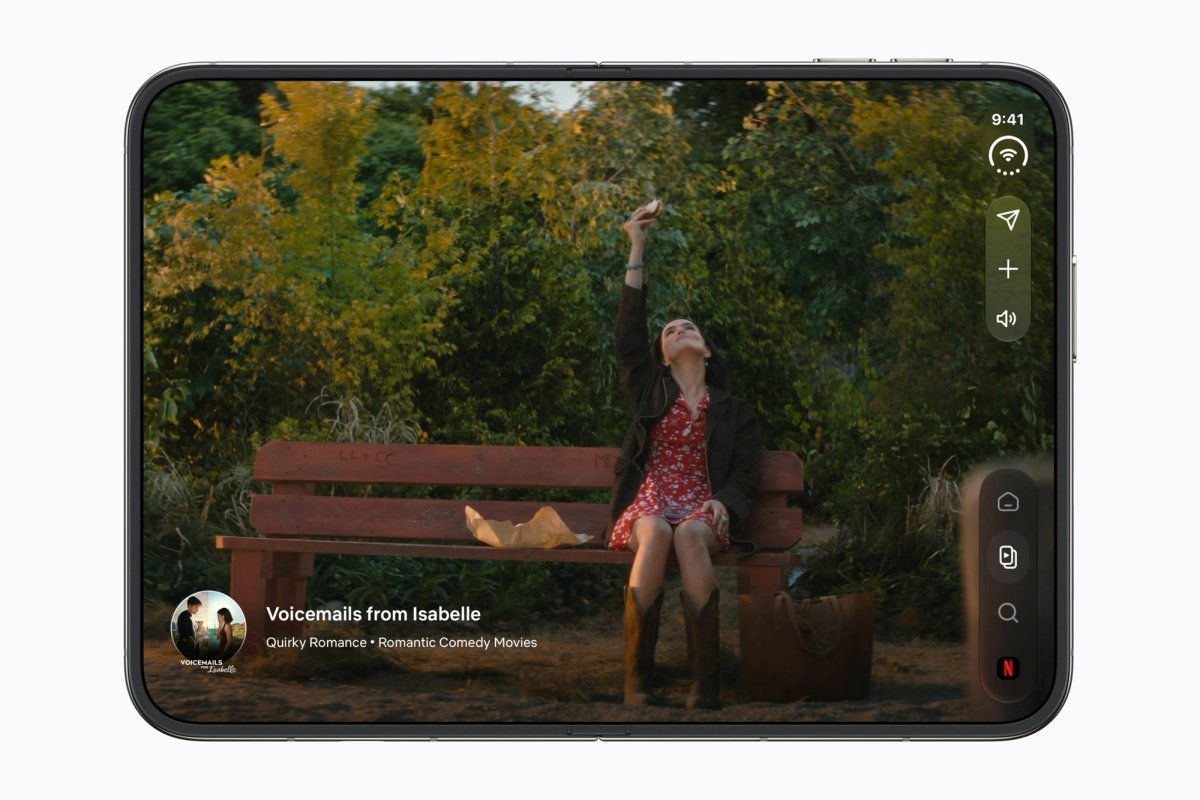
That's not recklessness. People love calling it recklessness because it's satisfying to say "Samsung just throws things at the wall," but throwing things at the wall in full public view, across a hundred million real users, is one of the more efficient ways to run market research that anyone in consumer electronics has figured out. By the time Apple finally walked onstage this September, IDC was already forecasting the iPhone Duo could grab something like 22 percent of foldable unit share and more than a third of the category's dollar value in its first year, mostly by converting loyal iPhone buyers rather than winning over people who'd never touched a foldable. That's the reward for arriving last on a category somebody else de-risked for you. Samsung spent six years finding out, in public, in front of millions of paying customers, what people actually wanted from a folding phone. Apple just had to go build the version people were already primed to buy.
Samsung Set the Table Before Apple Sat Down
There's a version of this that goes back further than foldables, and it's worth remembering because it's the same joke on repeat. When Samsung launched the original Galaxy Note in 2011, the tech press treated it like a novelty for people with unusually large hands. Apple stood firm on smaller screens for years, insisting there was a right size for a phone and it wasn't that. Then, once it became obvious the market had made up its mind, Apple quietly reversed course and shipped the iPhone 6 Plus, and somehow that became the moment "big-screen phones" got taken seriously.
The foldable launch is running the same script. Samsung had already shipped a passport-sized foldable and kept iterating on the Z Fold's proportions well ahead of Apple's event, which meant Samsung's lineup was already positioned to greet Apple on arrival rather than scramble to react to it. Coverage ahead of the September keynote noted the iPhone Duo would launch without a telephoto camera and without MagSafe, two things Samsung's foldables had already normalized. So Apple's "first attempt" isn't really a first attempt in the way the jokes imply. It's a first attempt that got to skip several years of the industry figuring out what a good foldable even looks like, because Samsung did that figuring out in public, on Samsung's dime, while everyone laughed at the creases.
None of which means Apple showing up is nothing. IDC expects the whole foldable category to grow close to 30 percent in 2026 largely because Apple entered it, and projects Apple's own share climbing toward a third of the category by 2029. Apple's gravity really does pull people into categories Samsung alone could never make mainstream, and I'm not going to pretend otherwise just to win an argument. But the shape of the thing Apple is now scaling up, the aspect ratios, the hinge expectations, even the split-screen software conventions, were mostly decided by the company that showed up first and took the beating for it.
Fine, Samsung Copies Too. That's Kind of the Point.
I want to be fair here, because I'd be annoyed if a Samsung fan tried to sell me this argument without admitting the traffic runs both ways. Samsung does its own copying. It just does it one layer up, in software, where nobody screenshots the crease.
The clean example is sitting in every Galaxy phone released in the last two years. One UI 7 shipped with something Samsung calls the Now Bar, a pill-shaped status element that surfaces live information like music controls and running timers right at the top of the screen. If that sounds familiar, it's because Apple built almost exactly that with the Dynamic Island on the iPhone 14 Pro two years earlier, and the resemblance was close enough that even Samsung's own leakers spent months arguing online about whether the company would "fully copy" Apple's version or land on something merely adjacent to it. Nobody in that debate was arguing about who got there first. That part wasn't up for discussion.
The same instinct shows up in how Samsung has spent years quietly closing the gap on software support. Apple has offered roughly seven years of updates on older iPhones for a long time now, long enough that it used to make every Android flagship look disposable by comparison. Samsung's own promise crept up in stages, three years of security patches in 2020, four major OS updates in 2022, and finally a full seven-year pledge starting with the Galaxy S24 in 2024. Samsung will tell you that move was about matching Google's Pixel commitment, and technically that's true. But the actual bar everyone had been measuring Samsung against for a decade, the one buyers brought up in every comment section, was always Apple's.
So no, the flow of borrowed ideas doesn't run one direction. Samsung hands Apple a finished, de-risked category and the manufacturing muscle to build the polished version of it. Apple hands Samsung a settled definition of what "premium" software and long-term support are supposed to feel like, and Samsung spends the next couple of years quietly climbing toward it. Both companies are doing their homework off each other's tests. The difference is what happens to the money once the homework is done. Apple's software lessons cost Samsung nothing but engineering time and a little pride. Samsung's hardware lessons come with an actual invoice, one that lands on Apple's balance sheet every single time an iPhone ships with a Samsung-built screen inside it.
Who Actually Wins When Apple Wins
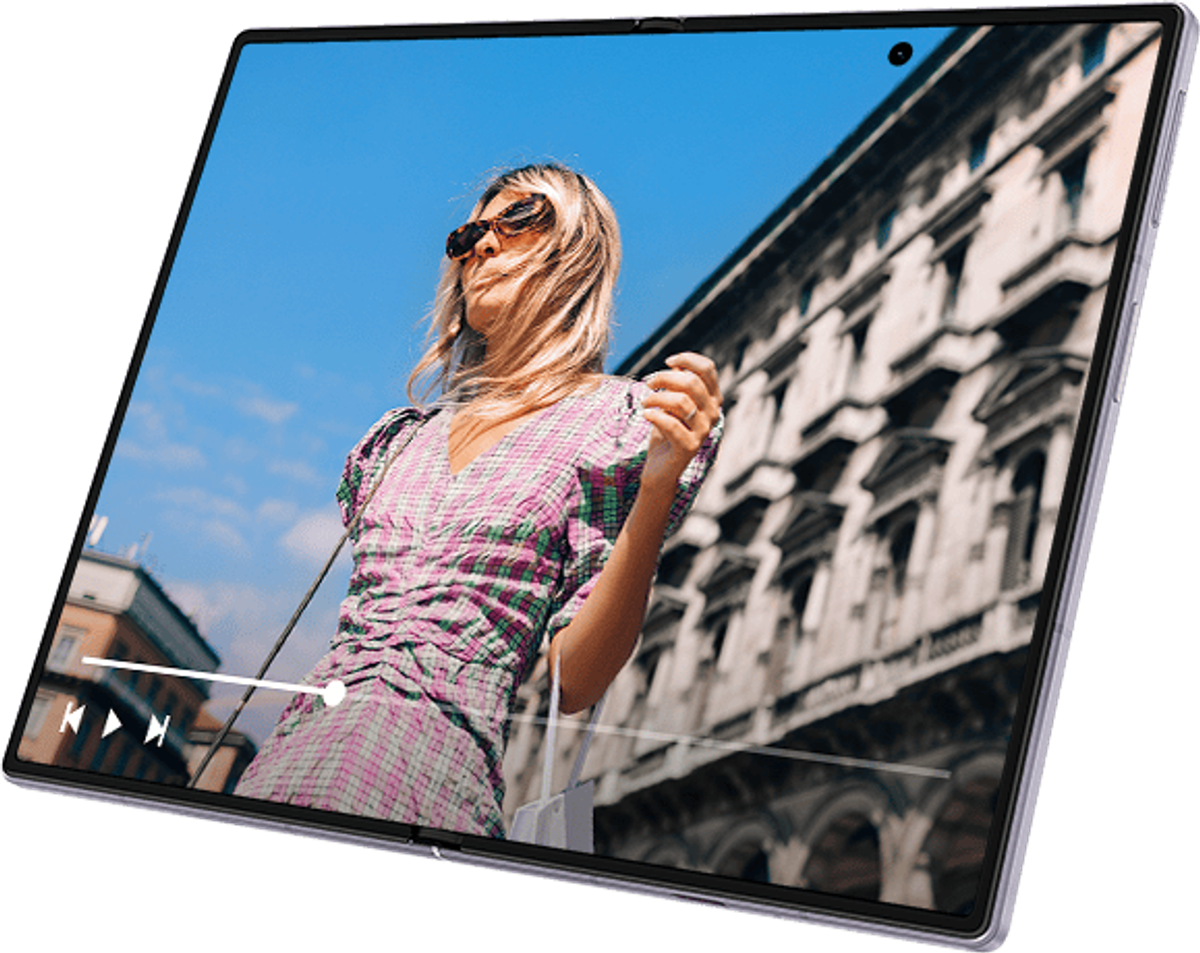
This is where the fanboy argument falls apart for me, on both sides. The tech press loves the clean version of this story: Samsung invents, Apple perfects, and whoever perfects it takes the prize. That framing is satisfying and it is also missing where the actual money lands. Samsung Display held something like 41 percent of global OLED revenue in 2025, and reporting on the first half of 2026 had strong iPhone sales pushing Samsung Display's flexible OLED shipments up more than 34 percent year over year, which makes Apple one of the biggest single forces behind that division's growth. Samsung Electronics is out there competing against the iPhone Duo on store shelves this fall. Samsung Display doesn't care who wins that fight, because it gets paid either way.
That's the whole paradox, really. Every "Samsung couldn't do it better after seven years" post this week is technically correct and completely beside the point, because Samsung was never only playing the hardware-bragging-rights game. It was also running a components business that gets a cut of Apple's win no matter how the reviews shake out. Apple gets to sell the future to people who trust its polish more than they trust anyone else's. Samsung gets paid for building that future twice, once as the company that took the public beating to figure it out, and once as the supplier quietly standing behind the company everyone assumes it's losing to.
About the Author