The Real Reason Oraimo Can Sell Baby Wipes (It's Not Brand Loyalty)

Summary
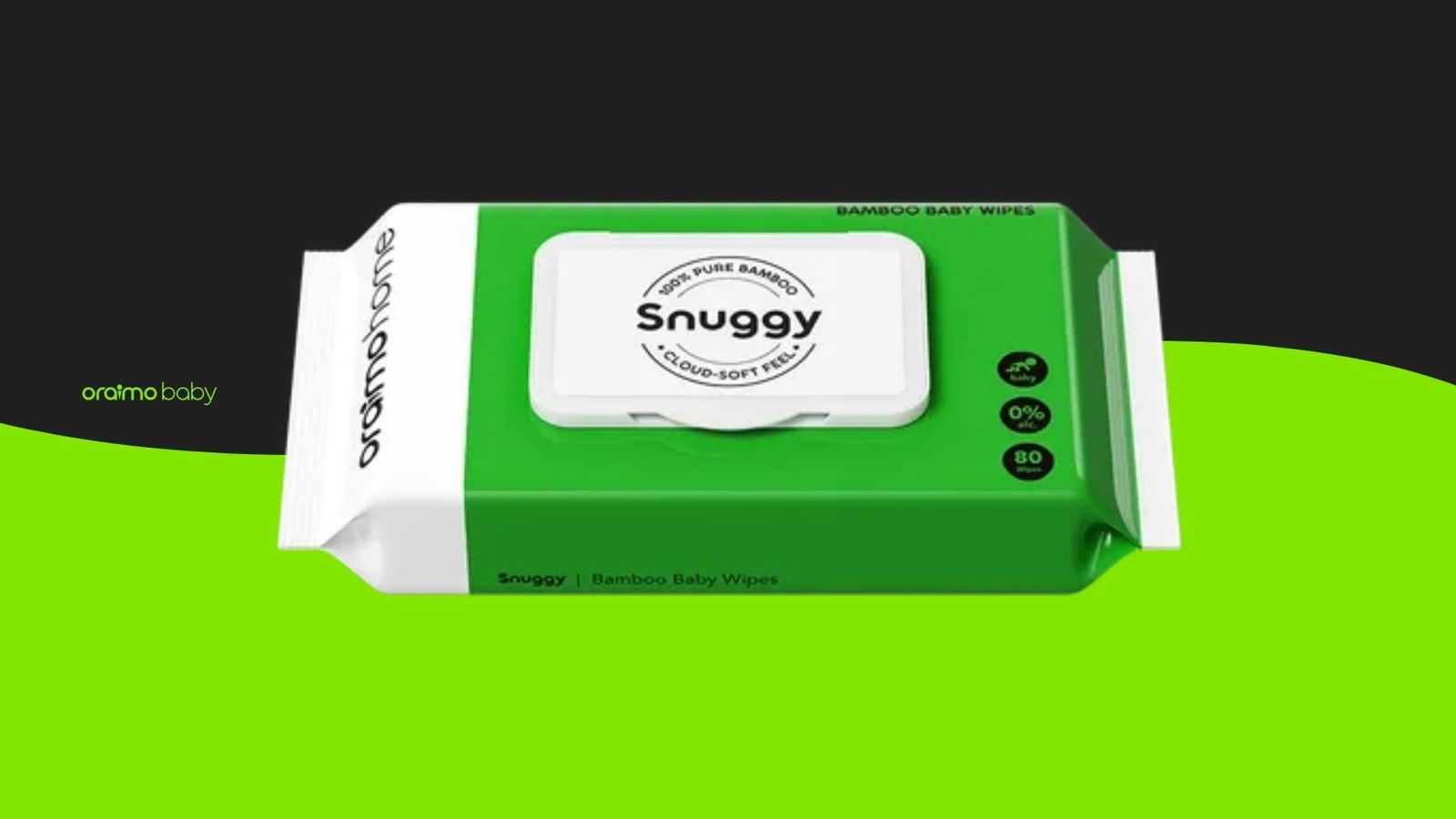
Oraimo, the power bank brand, now sells baby wipes and bottles. Most people credit brand strength. The real reason is a distribution advantage nobody talks about.
Ask someone in Lagos or Nairobi which power bank to buy and a good number of them will say Oraimo before they say anything about capacity or price. They are not naming a product. They are naming a shortcut, a way of ending the decision quickly because the name has already answered the questions they would otherwise have to ask. Almost none of those people could tell you that Oraimo belongs to Transsion, or that the same group makes their Tecno phone, and this is precisely the point. Whatever the corporate structure says, in the mind of the person actually spending money, Oraimo is a brand standing on its own two feet.
It earned that. The green and black packaging sitting in shop windows from Lagos to Johannesburg got there through more than a decade of being reliably decent at a price ordinary people could live with. The company developed its own fast-charging technology around the fact that power supply in its markets is unreliable, tuned its audio products to the way its customers actually listen to music, put R&D centres in Nigeria and Kenya so the products would match local conditions rather than being designed in a boardroom somewhere and shipped over, and backed the whole thing with service infrastructure so a customer with a faulty unit had somewhere to go. By 2021 it had passed a hundred million units sold worldwide. You do not build that kind of recall by borrowing a parent company's goodwill, especially when the parent company is invisible to the buyer.
“Trust gets a product picked up off a shelf. It does not get the product onto the shelf.”
— Onyedikachukwu George Nnadozie
So the instinct behind the baby care line is sound. A brand that spent years teaching millions of people to trust it without hesitation has built something genuinely transferable, and the thing that transfers is not an expertise in lithium cells. It is a sentence in the customer's head that goes roughly like this brand will not waste my money. That sentence has nothing to do with electronics. Oraimo now sells wipes, bottles, breast pumps, food makers, teethers and nail clippers under a dedicated oraimo Baby line, and a parent standing in front of that shelf is asking exactly the same question a commuter asks in front of a shelf of power banks. The move works because the promise was never category-specific in the first place, and the promise is what the customer is actually buying.
Here is where I think most people copying this are going to hurt themselves, though, and it has nothing to do with brand strength. Trust gets a product picked up off a shelf. It does not get the product onto the shelf. That is a completely different problem, solved by completely different means, and it is the part of the Oraimo story that never gets told because it is invisible from outside.
Getting baby wipes into circulation across African markets means wholesalers who already know you, distributors already carrying your stock, retail relationships built over fifteen years, and logistics capable of moving small consumer goods into markets where formal retail is thin and the informal trade is everything. Transsion set up its Nigerian operation in June 2008 and had presence in seven African countries within months, put a manufacturing plant in Ethiopia by 2011, and has been building that route to market ever since, initially for phones and then for everything else it decided to push through it. Oraimo inherits all of it. When the company decides to sell a pack of wipes, it is not hunting for distribution, it is loading a different box onto trucks that were already running.
That combination is what makes the move viable, and either half alone would fail. Distribution without trust gets you a product that reaches the shelf and sits there, which is the fate of most private-label goods nobody has a reason to choose. Trust without distribution gets you a beloved brand that cannot physically reach the customer who loves it, which is the far more common failure and the one that quietly kills small businesses attempting exactly this kind of expansion. They have the affection. They have genuine recall in their niche. They add a product line, and then discover that the wholesalers who move that category have never heard of them, the margins are structured differently, the inventory cycles are faster than anything they have managed before, and the affection they built does not convert into a single conversation with a distributor.
“Distribution without trust gets you a product that reaches the shelf and sits there... Trust without distribution gets you a beloved brand that cannot physically reach the customer who loves it.”
The other thing worth stealing here is what Oraimo was not asked to do. Transsion never put one name on everything. It built separate brands for separate jobs, with itel at the entry level, Infinix aimed at younger buyers, Tecno positioned above them, Oraimo on accessories and Syinix on home appliances, all sharing manufacturing, research and service infrastructure behind the curtain while showing distinct faces to the market. Each name carries only the promise it earned. Compare that to the far more common approach, which is stretching one increasingly tired name across an increasingly random product list until it means nothing specific to anybody, and then wondering why the new lines feel like a stunt.
None of this makes the baby care bet safe. It puts Oraimo against entrenched FMCG operators in a business with thinner margins, faster turnover and buyers who are more price-sensitive and often more loyal to what they already use than accessory buyers ever were. Being known does not win that fight by itself, and the brand can absolutely be spent faster than it was built if the products underdeliver. What gives the company a real shot is that both halves are in place at once, the recall that gets a first purchase and the machinery that makes a first purchase possible at scale, and that it can afford a slow opening year in a way a smaller entrant simply cannot.
Which leaves a more useful question than whether your brand is strong enough to diversify. It is whether you can name, specifically, what your customers trust you for in one sentence that does not mention your product, and then whether you own a route to market that could carry that sentence into a new category without you starting from nothing. Most businesses have never separated those two things, which is why their expansions read as guesses. The first is a positioning problem. The second is an infrastructure problem. Solving one and assuming it covers the other is how good brands end up with product lines that quietly die on shelves nobody watched them reach.
That separation is the work we do at BrandForge before anyone starts talking about new product lines, because the businesses that expand convincingly did this years before the launch that made the news, and the ones that fail almost always skipped straight to the part that gets announced.
About the Author